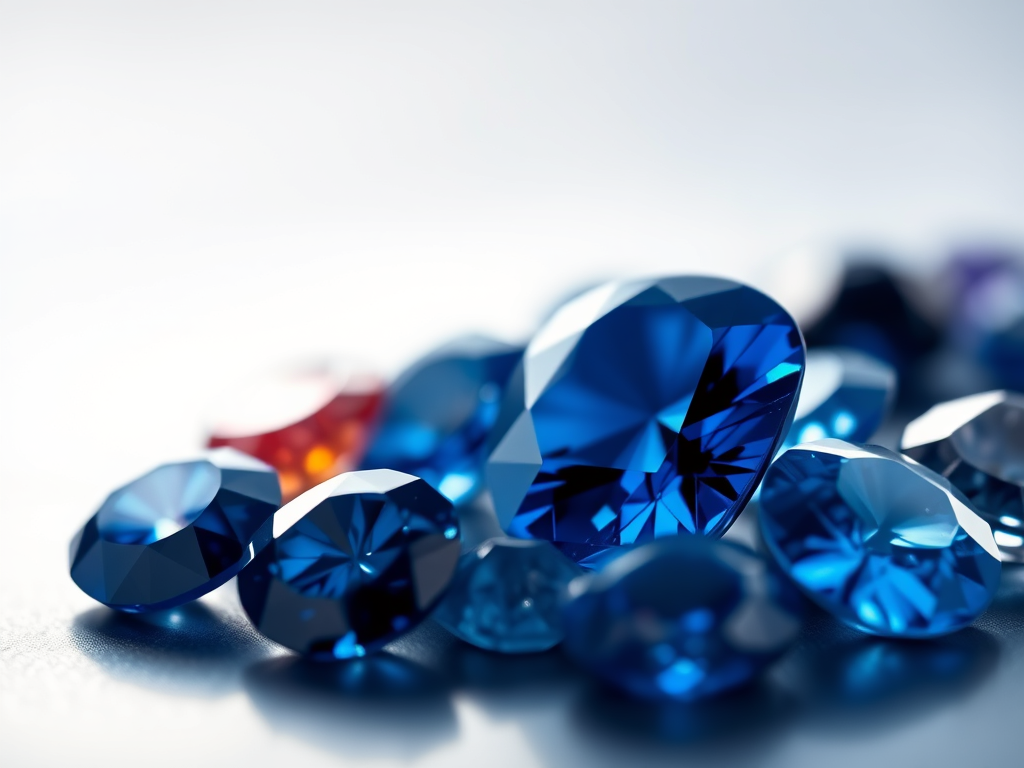
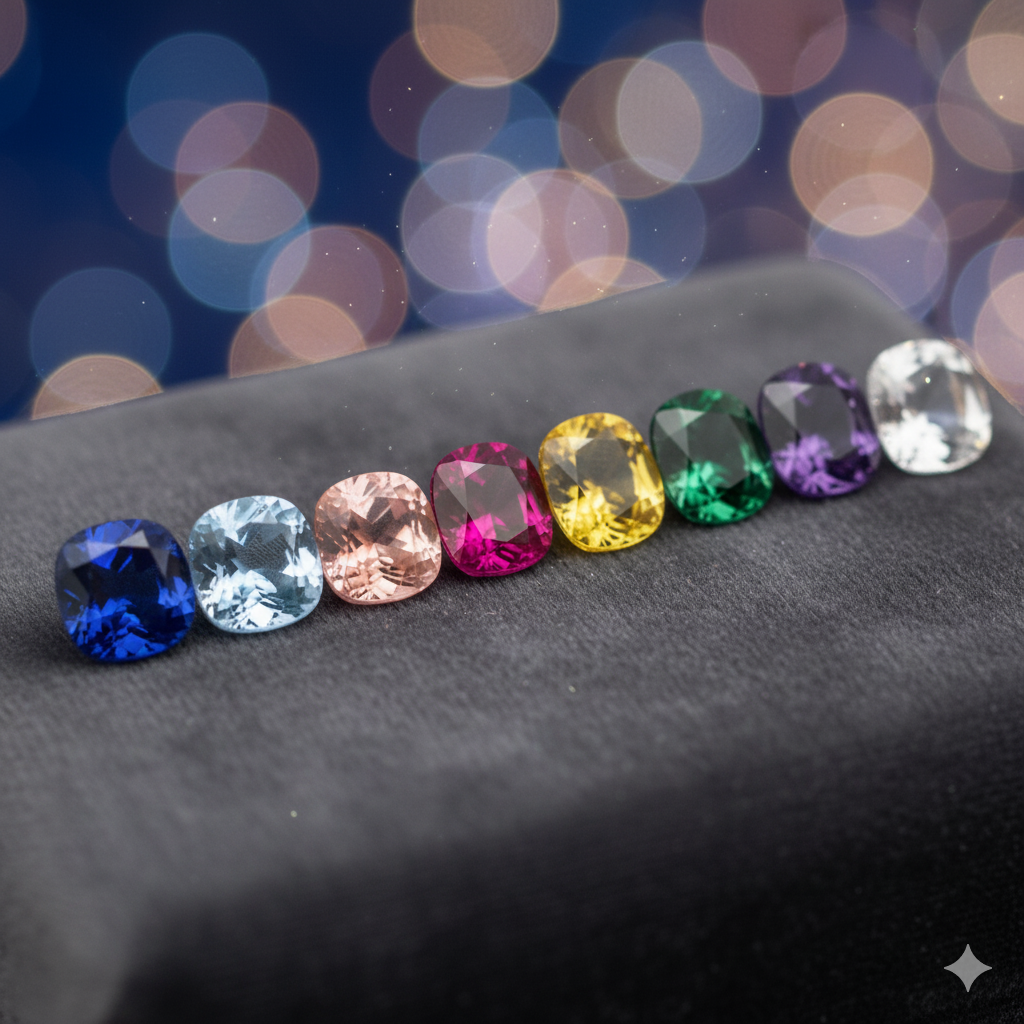
For centuries, the sapphire has been a symbol of royalty, wisdom, and divine favour, captivating humanity with its deep, celestial hues and remarkable durability. Far more than just the iconic blue, this stunning gemstone offers a rainbow of colours, each with its own unique charm and history.
Whether you’re a jewelry enthusiast, a gemstone collector, or a September-born individual, a deeper dive into the world of sapphires is a journey into history, geology, and unparalleled beauty.
What is a Sapphire? The Gemological Foundation
The sapphire is a variety of the mineral corundum, which is a crystalline form of aluminum oxide (). The only member of the corundum family not called a sapphire is the ruby, which is the red variety. Thus, a sapphire can be any color of gem-quality corundum other than red.
Hardness and Durability: Sapphires boast a superb hardness of 9 on the Mohs scale, second only to diamond (10) and moissanite (9.5). This exceptional toughness, coupled with no cleavage (a tendency to break when struck), makes sapphire an outstanding choice for everyday wear jewelry, especially engagement rings.
Formation: Sapphires are formed deep within the Earth under conditions of high heat and pressure, often within metamorphic or igneous rocks. Trace elements present during crystallization are what bestow the sapphire with its dazzling array of colors. For instance, the classic blue is caused by the presence of trace amounts of iron and titanium.
Global Origins: Sapphires are mined globally, with notable sources including Sri Lanka (Ceylon), Kashmir, Myanmar (Burma), Madagascar, Thailand, Australia, and the United States (Montana). Sapphires from particular regions, like the velvety blue Kashmir sapphires and the vibrant Ceylon sapphires, often command premium prices.
A Rainbow of Colors: Fancy Sapphires
While “sapphire” alone generally refers to the classic blue, the world of fancy sapphires offers a spectacular palette:
Color Variety
Color Cause (Trace Element)
Description & Value Note
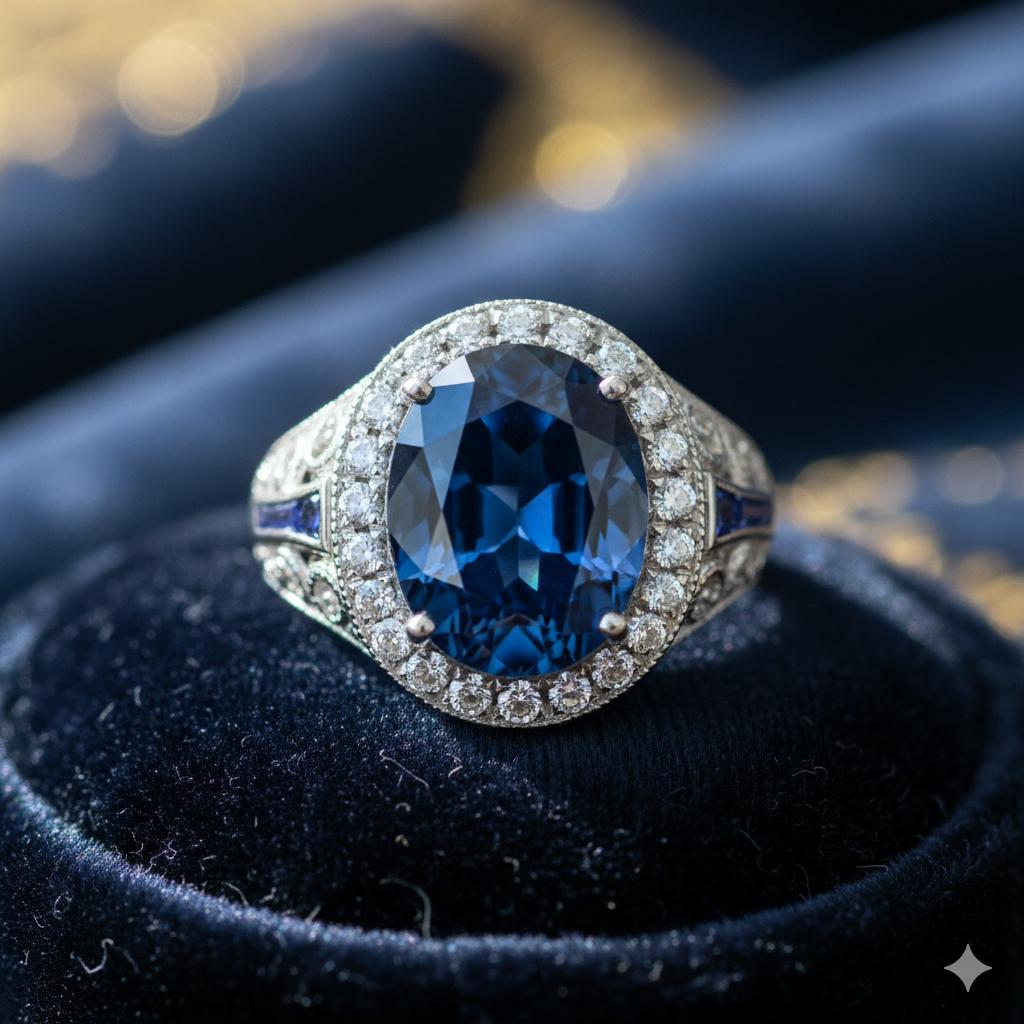
Blue Sapphire
Iron & Titanium
The most popular and traditional; shades range from pale blue to intense Royal Blue and Cornflower Blue (a delicate, velvety violet-blue, historically from Kashmir).
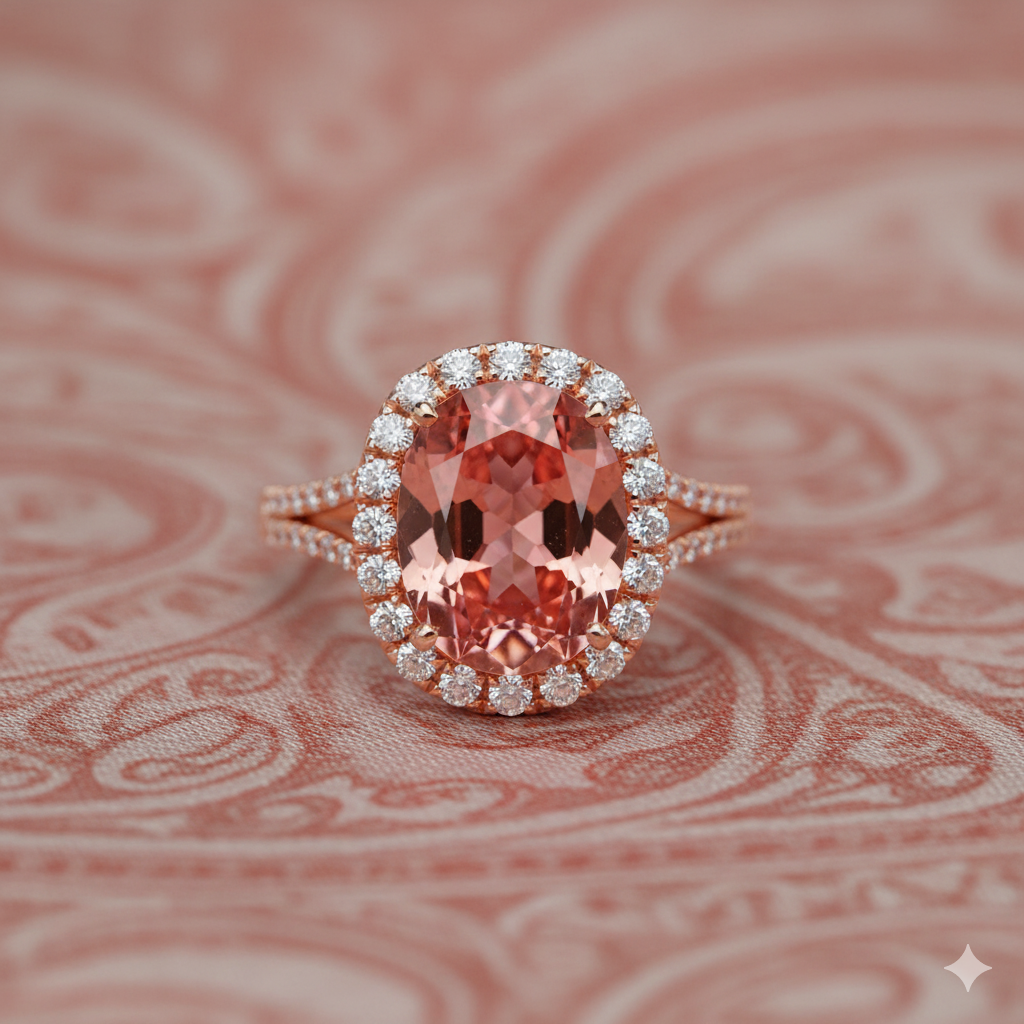
Padparadscha
Chromium & Color Centers
The rarest and most prized fancy color; a delicate blend of pink and orange, named after the color of a lotus flower.
Pink Sapphire
Chromium
Hues from light baby pink to vibrant magenta. Often used to symbolize love and forgiveness.
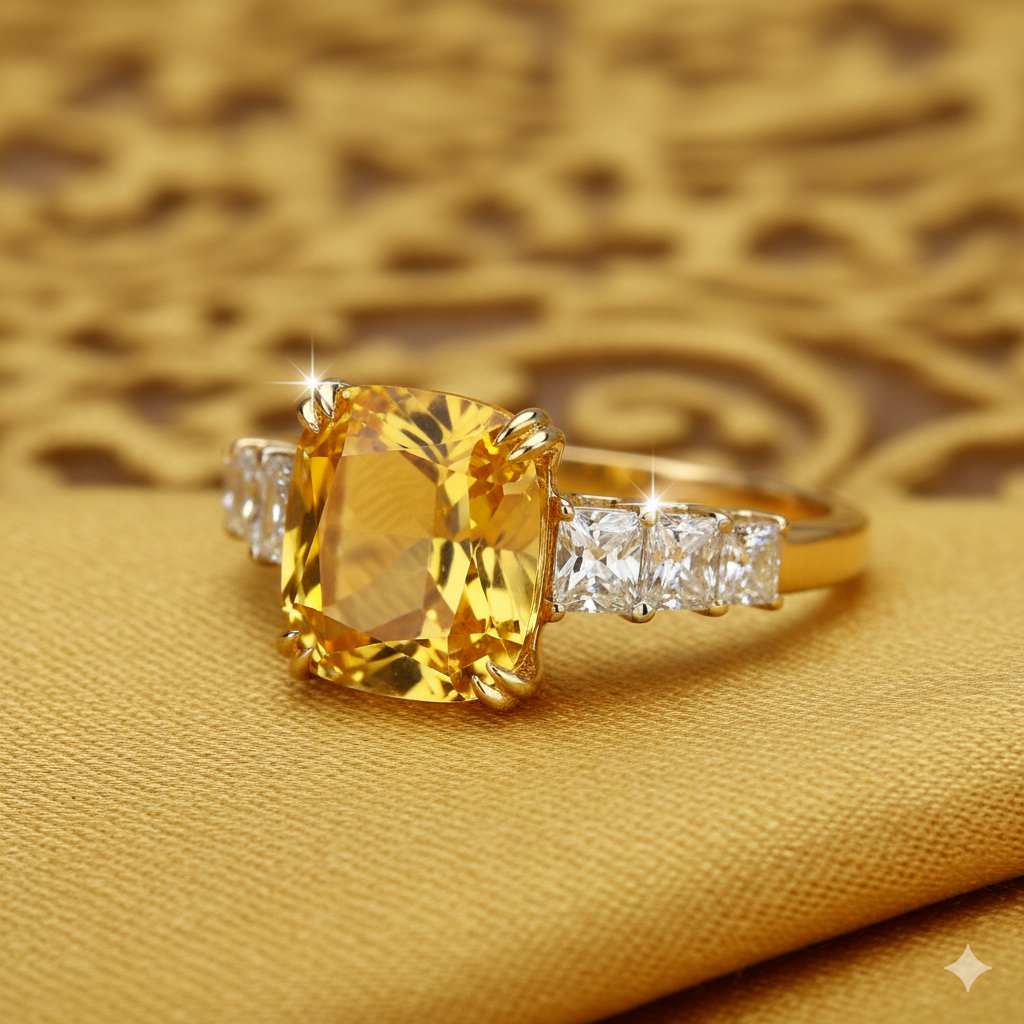
Yellow Sapphire
Iron
Ranges from light pastels to intense canary yellow. Symbolizes wisdom, happiness, and prosperity.
Green Sapphire
Iron & Titanium
Often a subtle bluish-green to yellowish-green.
Purple/Violet
Chromium, Iron, Titanium, Vanadium
Luxurious hues from reddish-purple to captivating violet.
White/Colorless
None (Pure Corundum)
A brilliant, colorless alternative to diamond, though naturally occurring white sapphires are very rare.
Unique Optical Phenomena
Some sapphires exhibit special effects, increasing their rarity and intrigue:
Star Sapphire: Displays a six-rayed star pattern, known as asterism, which glides across the dome of the stone (cabochon cut). This is caused by reflections off tiny, needle-like inclusions (usually rutile).
Color-Change Sapphire: These fascinating gems display a different color depending on the light source. For example, a stone may appear blue in daylight and transition to purple or reddish-purple under incandescent light.
Sapphire History, Lore, and Meaning
Sapphires have been treasured for thousands of years, holding deep meaning across cultures:
Ancient Lore: Ancient Persians believed the Earth rested on a giant sapphire, whose reflection painted the sky blue. Kings and queens wore sapphires to protect them from envy and harm.
Symbolism: Throughout the Middle Ages, blue sapphires symbolized Heaven and attracted divine favor. The gem is strongly associated with:
Royalty & Nobility
Truth, Sincerity, and Fidelity
Wisdom and Wise Judgment
Modern Significance: Sapphire is the traditional birthstone for September and the gem for the 5th and 45th wedding anniversaries.
The Royal Connection: Perhaps the most famous modern sapphire is the 12-carat oval blue sapphire engagement ring given by Prince Charles to Lady Diana Spencer in 1981, now worn by Catherine, the Princess of Wales.
The 4 Cs: Valuing a Sapphire
Like diamonds, a sapphire’s value is determined by the 4 Cs: Color, Clarity, Cut, and Carat Weight.
Color (Most Important): The most critical factor. Value increases with color saturation (purity/intensity) and an even tone (how light or dark it is). The most desirable blues have a vivid to strong saturation.
Clarity: Sapphires typically have inclusions. An “eye-clean” stone (inclusions not visible to the naked eye) is highly prized, especially in blue sapphires. However, certain inclusions, like the “silk” (tiny rutile needles) in Kashmir sapphires, can enhance the gem’s velvety appearance and value.
Cut: A skilled cut maximizes the stone’s color and brilliance (light reflection). The cut should be proportional to avoid “windows” (see-through areas) or “extinction” (dark, lifeless patches). Popular cuts include oval, round, and cushion.
Carat Weight: As with most gemstones, the price per carat increases significantly as the size of the stone increases.
Treatment: Many natural sapphires are heat-treated to enhance their color and clarity. This is a widely accepted, permanent enhancement and should be disclosed. Untreated sapphires of high quality are extremely rare and command the highest prices.
Caring for Your Sapphire Jewelry
Due to its hardness, sapphire is an excellent choice for daily wear, but it still requires care:
Cleaning: The best way to clean sapphire jewelry is with warm, soapy water and a soft brush.
Avoid Chemicals: While tough, avoid contact with harsh chemicals like bleach or abrasive cleaners, which can damage the setting or, in rare cases, certain treated stones.
Storage: Store sapphire jewelry separately from other pieces to prevent scratching, as a sapphire is hard enough to scratch other gems (and even itself).
Professional Care: Have your settings checked periodically by a professional jeweler, and consider an annual professional cleaning.