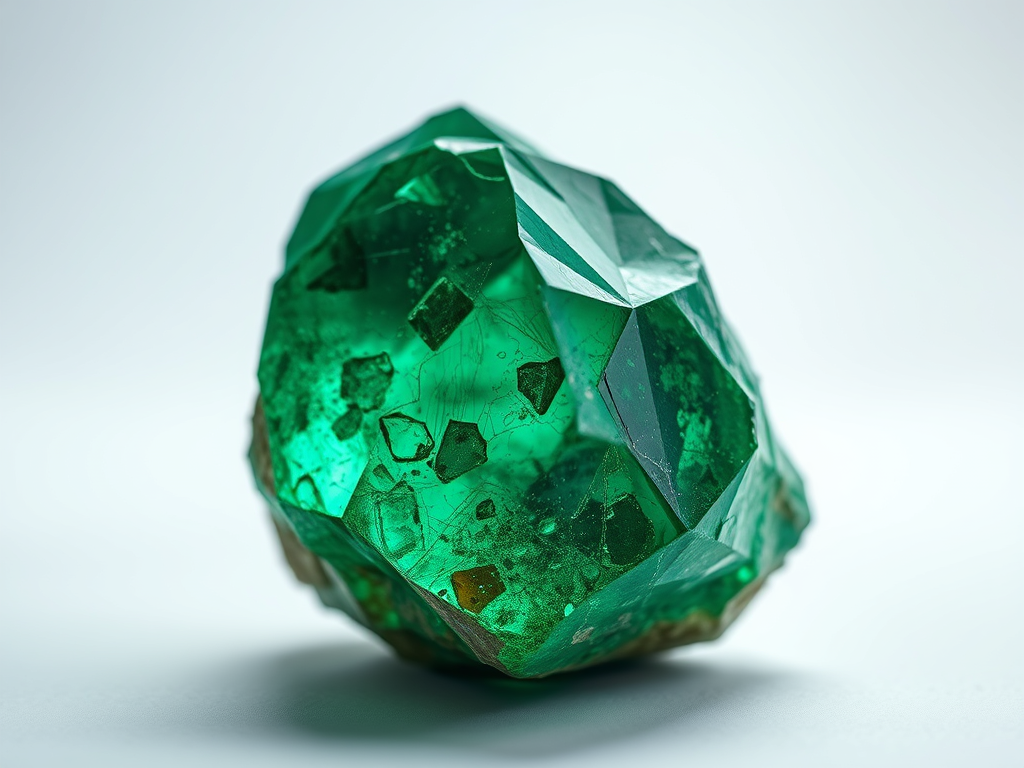
Emeralds – the captivating green gems that have adorned royalty, inspired legends, and captivated hearts for millennia. With their vibrant hue and undeniable mystique, emeralds stand as one of the “big three” precious coloured gemstones, alongside sapphires and rubies. If you’ve ever been enchanted by the deep verdant glow of an emerald, this ultimate guide is for you!
A Glimpse into Emerald’s Rich History
The allure of emeralds dates back to antiquity. Ancient Egyptians, particularly Cleopatra, were famously enamored with these green treasures. They believed emeralds symbolized fertility, rebirth, and eternal youth. The earliest known emerald mines were located near the Red Sea in Egypt, operating as far back as 1500 BC.
The Incas and Aztecs of South America also held emeralds in high reverence, associating them with deities and using them in religious ceremonies and intricate jewelry. When Spanish conquistadors arrived in the 16th century, they brought these magnificent Colombian emeralds back to Europe, sparking a new wave of emerald fever.
What Makes an Emerald an Emerald?
Emeralds are a variety of the mineral beryl, colored green by trace amounts of chromium and sometimes vanadium. Their intense green is what truly sets them apart.
- Color: The most crucial factor in an emerald’s value is its color. The ideal emerald possesses a vivid, intense bluish-green to pure green hue, with strong saturation and tone that is not too dark or too light.
- Clarity: Unlike diamonds, perfect clarity is rare in emeralds. Most emeralds have inclusions, often referred to as a “jardin” (French for garden), which are considered part of the gem’s character rather than flaws. However, inclusions that significantly impact transparency or durability will reduce value.
- Cut: The cut of an emerald is designed to maximize its color and brilliance while minimizing the appearance of inclusions. The “emerald cut” – a rectangular or square step cut with truncated corners – was specifically developed for this gemstone, though emeralds can also be found in oval, round, pear, and cabochon shapes.
- Carat Weight: As with all gemstones, larger emeralds are rarer and command higher prices.
Famous Emeralds and Their Stories
Emeralds have graced some of the most iconic jewelry pieces and collections throughout history:
- The Mogul Emerald: A magnificent 217.80-carat rectangular-cut emerald, inscribed with Persian text and floral motifs.
- The Chalk Emerald: A stunning 37.82-carat Colombian emerald, originally part of a necklace owned by an Indian Maharani, now set in a ring surrounded by diamonds and displayed at the Smithsonian National Museum of Natural History.
- Elizabeth Taylor’s Emeralds: The legendary actress owned an exquisite parure (matching set) of emerald and diamond jewelry, gifted by Richard Burton, which included a brooch, necklace, earrings, and a bracelet.
Where Do Emeralds Come From?
While ancient mines were in Egypt, today’s primary sources of high-quality emeralds are:
- Colombia: Renowned for producing some of the world’s finest emeralds, particularly from the Muzo, Chivor, and Coscuez mines. Colombian emeralds are often praised for their vibrant green color and exceptional clarity (for an emerald).
- Zambia: Known for producing emeralds with a slightly bluer tone, often with good clarity and a beautiful rich green.
- Brazil: Offers a variety of emeralds, including those with a slightly lighter green hue.
- Other Sources: Emeralds are also found in Afghanistan, Pakistan (Sawat), Russia, and the United States, among other locations.
Caring for Your Emerald Gemstone
Emeralds are beautiful but require proper care due to their “jardin” inclusions, which can make them more susceptible to fracture than other gemstones.
- Cleaning: Use warm, soapy water and a soft brush. Avoid harsh chemicals, ultrasonic cleaners, and steam cleaners, as these can damage the gem or cause oil treatments to leak.
- Protection: Store emerald jewelry separately to prevent scratching from harder gems. Avoid sudden temperature changes and hard knocks.
- Treatments: Most emeralds are treated with oils or resins to fill surface-reaching fractures and improve their clarity and appearance. This is a common and accepted practice, but it means emeralds require gentle handling.
The Enduring Allure
Emeralds are more than just beautiful stones; they are steeped in history, rich with symbolism, and embody the lush beauty of nature. Whether you’re drawn to their vibrant color, their regal past, or their supposed powers of healing and love, an emerald is a truly magnificent gemstone that will continue to captivate for generations to come.
Do you have a favorite emerald piece or a story about this enchanting gem? Share it in the comments below!